
How you finish the surface of any machined part is just as important as the CNC machining process you use. Yes, the surface finishing influences how your product looks and how it performs in reality that much.
In this blog post, we’ll walk you through the CNC machining surface finishes several manufacturers use and how they work.
Why Surface Finishes Are Important in CNC Machining

Surface finish of CNC-machined materials, beyond looks, determines how long the components last, how they stay in the environment, and how they resist wear. Sometimes, regulatory bodies, through your surface finish, can tell if your machined parts meet technical standards.
When you choose a good surface finish that fits your machined part, you improve its lifespan and functionality. You also reduce maintenance costs and improve its looks and dexterity.
For industries where reputation is valuable and reliability and consistency are non-negotiable, the quality of your finishing is not optional. You need it to remain relevant in the market.
Common Types of CNC Machining Surface Finishes
The most available and used types of CNC machined surface finish manufacturers employ include:
1. As-Machined Finish

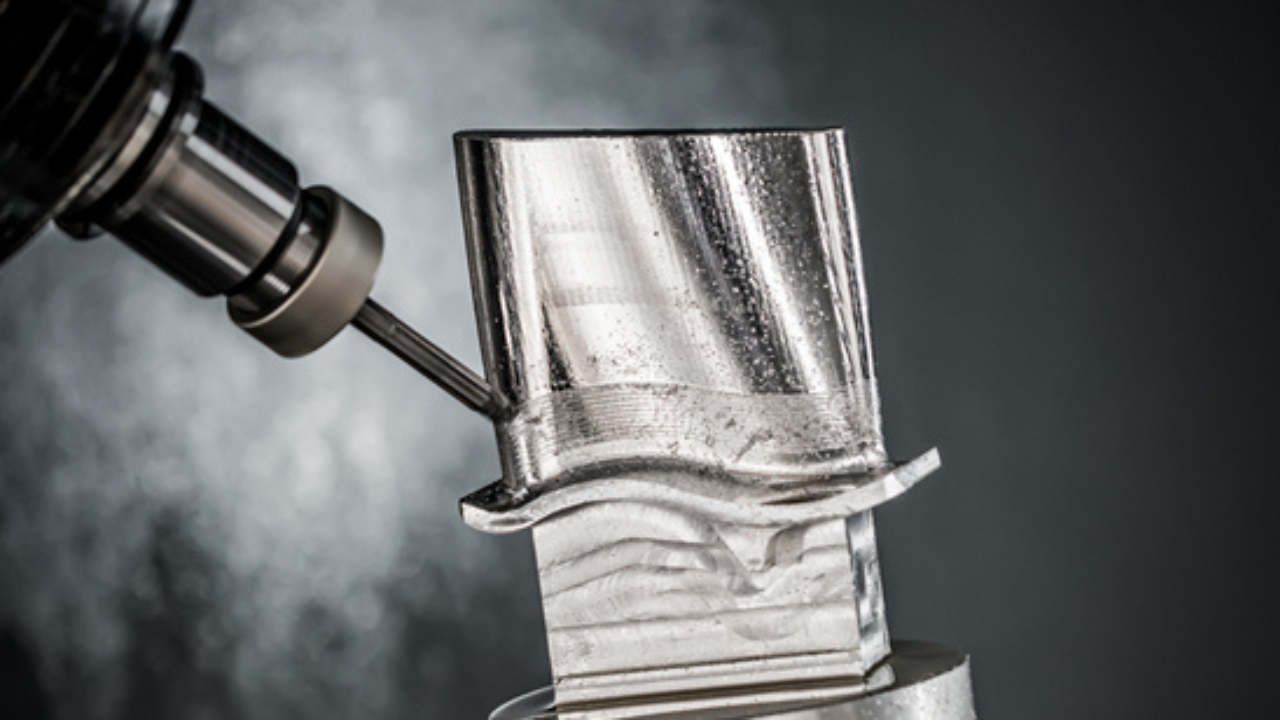
When you refer to a surface as an “as-machined” finish, you are talking about its natural appearance after a CNC machining procedure. That is, aside from the machining process, no extra surface finish was added to improve its look.
CNC machine tools give the machined parts their texture; that’s why you’ll often find visible tool marks on the machined component.
The primary advantage of this finish type is that it’s the most cost-effective. With this type, you don’t have to carry out additional finishing steps. In addition, the parts keep their precise tolerances, and the dimensions are consistently accurate. So, if you believe dimensional accuracy takes priority over aesthetics, you should give this option a try.
2. Bead Blasting

Bead blasting involves “blasting” or bombarding the machined part with really tiny glass beads at high pressure. The size of the bead and the bombarding force give you a surface that’s smooth and has a uniform matte.
Bead blasting removes all the sharp edges and machining marks, so you have a neater look. Bead blasting yields an appealing texture, yet it’s easy to handle. It also reduces excessive gloss and fingerprints.
3. Anodizing (Type II & III)

Anodizing is an electrochemical process that uses the chemical electrolysis process. This type of surface finishing thickens the natural oxide layer on aluminum surfaces in a chemical medium.
Usually, for finishing machine materials, two types of anodizing are employed. Type II is a softer kind of anodizing where you add a ceramic layer to the material. Aside from improving the ability of the machined part to resist corrosion, it allows you to seamlessly add color too.
Type III anodizing, also known as hard anodizing, gives you an even thicker and tougher surface. Hard anodizing improves a component’s lifespan and strength in harsh environments and conditions.
4. Powder Coating

In powder coating a CNC-machined part, you apply a dry colored powder that is electrostatically charged. After you apply the color, you cure the colored machined part under heat or using UV light.
Curing forms a protective finishing layer over the machine part, giving it excellent resistance to wear and corrosion.
The result you get is a tough, smooth finish that resists chipping, scratching, and even fading. In addition, you get a wider range of available colors and textures with powder coating. These textures are as protective as they are appealing.
5. Electroplating

When you electroplate a CNC part, you deposit a thin metallic coat on that material. Now, these coatings may be made of metals like nickel, chrome, or gold, onto the surface.
Electroplating improves a part’s resistance to corrosionand it enhances its looks, giving it a polished metallic feel and finish. Since metals are the most used materials for electroplating, electroplating may increase the material’s conduction of heat and electricity, and reduce friction.
6. Polishing

In choosing to polish a material to improve its outlook, you gradually smooth out the outer portion of the machined material until its surface becomes glossy. This new glossiness always comes with a reflective shine.
Polishing, in a blink, improves the visual quality of any part you CNC-machined; it literally removes the scratches and roughness that come with the machining task.
Beyond the aesthetics, polishing improves how ‘neat’ the component ends up. In addition, the smoother surfaces are now easier to sterilize and maintain, so you reduce the overall stress you incur with polishing.
7. Brushing

Brushing to improve the surface quality of a product is the same as the literal meaning of the term; you use abrasive materials to even out and create a fine-textured finish on the surface of a material.
Brushing gives your machined part a fine satin-like texture, and this is what makes this finishing technique stand out from others. It gives your part a sleek and modern look. In addition to the better aesthetic appeal, brushing helps to mask small scratches and imperfections that happen during the normal material handling process.
Indeed, brushing is a quite practical option for finishing those parts that need a uniform, simple, and minimal finish.
8. Passivation

Passivation removes free iron from the surface of your machined material, then exchanges the free iron with a more stable protective oxide layer. The process is a bit complicated, so most times, it’s reserved for tough materials like stainless steel.
Passivation improves stainless steel’s ability to resist corrosion while keeping its dimensions and appearance intact. With passivation, the stainless steel component maintains its strength and durability regardless of the environmental conditions.
How to Choose the Right CNC Machining Surface Finish
To choose the right CNC machining surface finish, you must consider the following:
● Material Type
The CNC machined material is key, as different materials have their preferred finishing techniques. For instance, Aluminum works better with anodizing than other machining material types. In addition, the different materials, including aluminum, steel, titanium, and plastics respond differently to chemical treatments.
● Functional Requirements
The application of the finishing matters a great deal as well. While you want some machined materials solely for aesthetics, others are finished to enhance their strength and resistance to corrosion. Some types of finishing are chosen for their conductivity too.
● Cost
You must weigh the cost, too, and ensure that you get a surface finishing type that fits your use.
Some surface finishing processes are simple and inexpensive, and the finishing processes of others are more complex, so they tend to be on the expensive side.
● Industry-Specific Standards
The industry or field where the finished CNC machined parts will be used will dictate which finishes you can use or is acceptable. For instance, applications like aerospace or automotive will require different finishing from medical or sanitary manufacturing applications.
Factors that Affect the Cost of CNC Machining Surface Finish
Several parts will affect the price of the CNC-machined surface finish you want for your machined products. They include:
- The material type, regardless of the surface finishing type you choose, harder metals need more time and resources to give a clean finish.
- Your choice of coating process is important as specialized coatings require more time and resources.
- Part complexity also plays a role, since parts with several geometric designs and shapes can be more challenging to finish.
- The batch size and volume affect your total cost too. The more the quantity of machined components whose surfaces you want finished in a better way, the lower the cost you need to pay per unit.
- Other extra post-processing requirements that you may want to add increase your total cost too. Say, for instance, you want your machined component to have an extra mask or surface finish to the coated material, the cost will increase as well.
Top Practices for Achieving Optimal Surface Finishes
- The first thing you must do is to prioritize working with exceptional CNC machines and skilled machinists. You need to do so because these two factors set the pace for the results you get from any finishing you choose.
In addition, make sure you choose the right CNC tools too. Ensure the cutting speeds, feeds, and tool paths of the CNC machine are the best for the result you want.
- To add to the aesthetics, you should apply more layers of finishing or even combine more than one (where it’s possible). This will give the material a better look.
- Frequently carry out routine inspections during the finishing process and quality control to ensure that the finish meets the required standards. Routine inspection and testing help maintain a consistent finish across different batches of the same product.
- Choose the right CNC machining service provider because, in the end, an experienced provider gives you a wider range of options, access to a wide range of options, and even recommends the best choice for your project.
With DSR, we’ll give you high-quality results at rates that you can afford every time.
Conclusion
A machined material with a good surface finish has an improved aesthetic and function overall.
Nevertheless, you must always remember that there is a suitable surface finish for every CNC-machined part. Keeping this in mind will help you get a good result from your surface finish.


